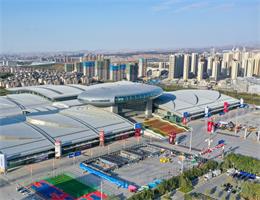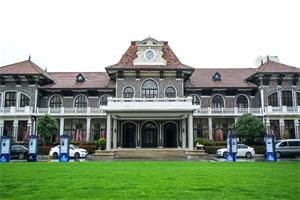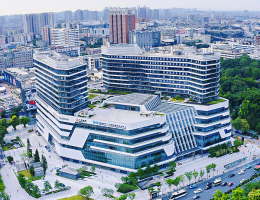
Located in Harbin, the capital of China’s Heilongjiang Province and a vibrant hub of Northeast Asia, the Harbin International Conference, Exhibition and Sports Center (HICESC) stands as a multifunctional landmark that bridges commerce, culture, and athletic excellence. Renowned for its strategic location, cutting-edge facilities, and versatility, HICESC has become a pivotal driver of regional development, hosting events that span global summits, trade expos, cultural galas, and top-tier sports competitions.
Location & Strategic Significance
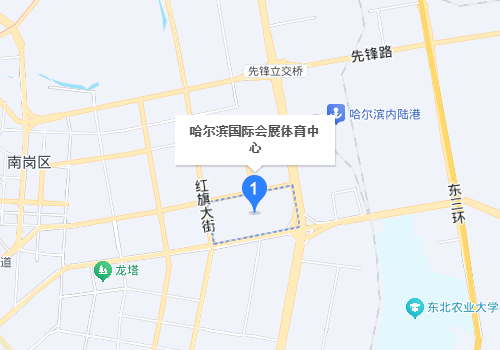
Situated in the bustling Songbei District, HICESC enjoys proximity to Harbin’s key transportation networks, including Harbin Taiping International Airport (just 30 minutes away) and major highways, making it easily accessible for domestic and international visitors. Its location in Songbei, a rapidly growing district known for its modern infrastructure and scenic Songhua River views, positions the center as a gateway to Harbin’s emerging economic and cultural corridor.
Address: 301 Hongqi Street, Nangang District, Harbin
Facilities & Infrastructure
Designed to meet the highest international standards, HICESC boasts a comprehensive suite of venues tailored to diverse event needs:
- Exhibition Halls: Spanning over 80,000 square meters, the center features multiple modular exhibition halls with column-free layouts, adjustable lighting, and advanced climate control. These spaces accommodate trade fairs, industrial expos, and art exhibitions, with capacities ranging from intimate boutique shows (500 attendees) to large-scale events (up to 20,000 visitors daily).
- Conference Facilities: A state-of-the-art conference complex includes a grand ballroom (seating 3,000) and 20+ breakout rooms, equipped with simultaneous interpretation systems (supporting 8 languages), 4K projection, and smart conferencing tools. This makes HICESC a preferred venue for international forums, corporate meetings, and academic symposiums.
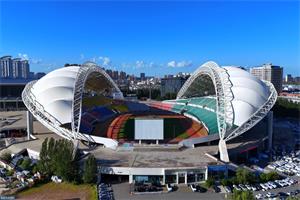
- Sports Venues: The center’s sports complex is a highlight, featuring a multi-purpose arena (capacity: 10,000) designed for basketball, volleyball, gymnastics, and ice sports (with retractable rink systems for year-round use). Additionally, there are dedicated courts for badminton, table tennis, and martial arts, as well as training facilities for professional athletes.
- Auxiliary Amenities: Support services include on-site catering (offering both Chinese and international cuisine), VIP lounges, media centers, ample parking (over 2,000 spaces), and full accessibility features (ramps, elevators, tactile signage), ensuring comfort and inclusivity for all guests.
Event Portfolio & Impact
HICESC has earned a reputation as a “city of events” due to its ability to host a wide spectrum of high-profile gatherings:
- Economic & Trade Events: Flagship events like the Harbin International Economic and Trade Fair (China’s only national-level fair focused on Northeast Asia) and the China-Russia Expo draw global businesses, fostering cross-border collaboration in manufacturing, agriculture, and technology.
- Cultural & Tourism Initiatives: The center plays a key role in promoting Harbin’s “Ice City” brand, hosting winter-themed exhibitions, folk art showcases, and the Harbin International Ice and Snow Festival’s opening ceremonies. It also stages concerts, theater performances, and film screenings, enriching the city’s cultural calendar.
- Sports Competitions: As a venue for national and international tournaments, HICESC has hosted events such as the FIBA Asia Cup qualifiers, World Gymnastics Championships trials, and ice hockey leagues. Its ice sports facilities are particularly prized, supporting Harbin’s legacy as a winter sports hub (home to China’s first ice rink).
- Community Engagement: Beyond commercial events, HICESC opens its doors to public welfare initiatives, including charity runs, health expos, and educational workshops, strengthening its role as a community anchor.
Legacy & Vision
HICESC embodies Harbin’s spirit of innovation and openness. By integrating conference, exhibition, and sports functions, it not only drives economic growth but also enhances Harbin’s global profile as a bridge between China and Northeast Asia. Looking ahead, the center aims to expand its sustainability efforts (e.g., energy-efficient systems, waste reduction) and attract more international mega-events, solidifying its position as a leading multifunctional venue in the region.
© Copyright notes
The copyright of the article belongs to the author, please do not reprint without permission.